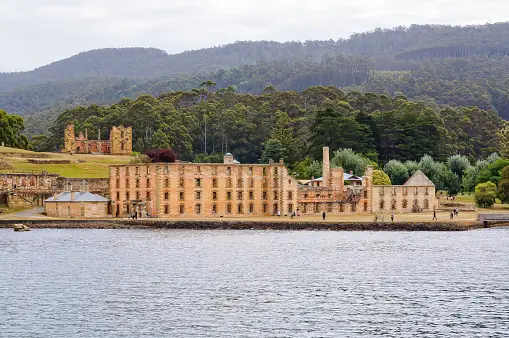
Rottnest Island (Wadjemup) is the most reliable place on earth to see a quokka, and your best first stop is Thomson Bay, the main settlement just off the ferry terminal. Head to the shaded grass around the visitor precinct in the early morning or late afternoon and you’ll almost certainly spot one within minutes. Just remember: look, photograph, admire. Never touch, never feed.
TL;DR:
- Most quokka sightings on Rottnest Island occur in Thomson Bay settlement, especially near the bakery, general store, and shaded grass verges.
- The best times to see quokkas are dawn and dusk when they forage in cooler temperatures, with spring offering more juvenile joey sightings.
- Quiet, shaded coastal areas like The Basin, Pinky Beach, and inland walking trails offer more natural encounters away from crowds.
- Responsible wildlife viewing requires maintaining a respectful distance, avoiding flash photography, and never touching or feeding the animals.
- Mainland quokkas are much shyer and less predictable, mainly seen at dusk or night, making Rottnest the optimal place for reliable sightings.
Table of Contents
- Best places to see quokkas on Rottnest Island
- When is the best time to see quokkas?
- How do you get to Rottnest and get around?
- What are the rules for viewing quokkas responsibly?
- Can you see quokkas on the mainland?
- How local knowledge changes the way you see wildlife
- Ready to plan your Rottnest wildlife trip?
- Where to learn more
- Sources
- FAQ
Best places to see quokkas on Rottnest Island
Once you’re off the ferry, quokka spotting on Rottnest is less about luck and more about knowing where to look. These marsupials are creatures of habit, and they cluster around a handful of predictable zones across the island.

Thomson Bay settlement is where most visitors get their first (and easiest) sighting. Quokkas gather near the bakery, the general store, and the grassy verges around the main street, drawn by shade and the gentle foot traffic of tourists who, ideally, keep their distance. This is the easiest, most reliable place to see quokkas on the island, and honestly, on the planet.
Beyond the settlement, the sightings get quieter and more natural:
- The Basin and Pinky Beach — quokkas here tend to shelter in the low coastal scrub just back from the sand, especially during the warmer parts of the day.
- Ngank Yira Bidi and the Wadjemup walking trails — these inland paths give you a genuinely wild encounter, away from the settlement crowds, with quokkas foraging among the heath.
- Underwood Avenue and the hotel gardens — shaded lawns and boardwalks near accommodation areas become refuges when the island heats up, particularly over summer.
- Geordie Bay, Longreach Bay and the campground fringes — quieter bays where you’ll often have a quokka sighting entirely to yourself.
Micro tips make a real difference here. Scan the shaded edges of grassy patches rather than open sun. Move slowly and quietly, since sudden footsteps or loud voices send quokkas hopping for cover. And look for family groups. Where there’s one quokka, there are usually several more resting nearby.
Pro Tip: Skip the crowded midday photo spots near the bakery and wander fifty metres further along the settlement’s back lanes. You’ll find quokkas that are just as accessible but far less camera-shy.
When is the best time to see quokkas?
Quokkas are most active at dawn and dusk, when the island is cooler and they venture out to forage. Early morning, just after the first ferries dock, and late afternoon before sunset are your two golden windows.

Seasonally, spring (September to November) is worth planning around if you want to see joeys. This is when young quokkas are most visible riding in their mother’s pouch or hopping alongside her.
Avoid the punishing midday heat if you can. Quokkas retreat into shade and become far harder to spot, and you’ll want water and sun protection regardless.
For photos:
- Skip the flash entirely — it startles quokkas and can affect their natural behaviour.
- Crouch down to their eye level rather than looming over them.
- Be patient and let the animal approach you, rather than crowding in for a selfie.
How do you get to Rottnest and get around?
Ferries run regularly to Rottnest from Fremantle, Perth and Hillarys, with Fremantle crossings typically the shortest at around 25 to 30 minutes, while Perth and Hillarys services take closer to an hour or more depending on conditions.
- Choose your departure point based on where you’re staying — Fremantle is fastest if you’re already south of the city.
- Decide day trip versus overnight. A day trip gives you several hours of quokka spotting, but staying overnight lets you catch that dawn and dusk activity window when the island empties of day-trippers.
- Get around on arrival via bike hire (the classic Rottnest experience), the Island Explorer bus for a relaxed loop of the main sights, or on foot along the settlement’s walking trails.
- Prioritise your quokka time on a day trip by heading straight to Thomson Bay first, then looping to The Basin before your return ferry.
Cyclists should stick to marked paths and watch for quokkas darting across trails, especially near dawn. Walkers get the advantage of moving quietly enough to catch animals that scatter when bikes whizz past.
What are the rules for viewing quokkas responsibly?
Rottnest’s wildlife rules exist for good reason, and they’re strictly enforced. You must not touch or feed quokkas under any circumstances. Feeding them human food can cause serious digestive problems, and repeated contact conditions them to approach people aggressively, which rarely ends well for the animal.
Quokkas on Rottnest are estimated at 10,000 to 12,000 individuals and are listed as Vulnerable at state, Commonwealth and IUCN levels, with disease and fire among the key threats.
That population figure sounds healthy, but Vulnerable status means the margin for error is thin. On-the-spot fines apply for interfering with wildlife, and serious cases of animal cruelty can trigger prosecution under state legislation, with penalties well beyond a simple fine.
Practical dos and don’ts:
- Keep a respectful distance and let quokkas set the pace of any encounter.
- Photograph without flash, crouching rather than reaching toward the animal.
- Watch for quokkas near bike paths, particularly in low light.
- Report an injured or distressed animal to Rottnest rangers immediately rather than intervening yourself.
The Rottnest Island Authority’s wildlife guidance is explicit on this: look, don’t touch. The rule is simple because the stakes for the animal are not.
Can you see quokkas on the mainland?
Rottnest holds the largest and tamest population by far, but small mainland groups do exist. Two Peoples Bay near Albany is the site most often recommended by wildlife specialists, though mainland quokkas are shy, largely nocturnal, and nothing like their island cousins in terms of ease of viewing.
Other mainland spots, including the Stirling Range, Jarrahdale and Canning Dam areas, occasionally turn up sightings, but these are rare and demand serious patience.
- Choose the mainland if you specifically want a wilder, less habituated encounter rather than a guaranteed sighting.
- Plan for dusk or nocturnal visits, since mainland quokkas rarely show themselves in daylight.
- Approach quietly and consider a local guide, since mainland quokka watching requires more skill and luck than a Rottnest stroll ever will.
If your priority is a reliable, photogenic encounter, Rottnest wins every time. Mainland trips suit travellers chasing something wilder, at the cost of certainty.
How local knowledge changes the way you see wildlife
Anyone can book a ferry ticket to Rottnest, but knowing which back lane at Thomson Bay holds the quieter quokkas, or which mainland season actually gives you a shot at Two Peoples Bay, comes down to local knowledge most visitors simply don’t have.
That’s the gap Aussie Loop exists to close. Curated, locally sourced tours consistently produce better wildlife outcomes than winging it, because a guide who knows the terrain reduces both your wasted time and your impact on the animals. Ethical viewing isn’t a slogan. It’s a skill built from repetition, and it’s exactly what separates a memorable quokka encounter from a stressful one for the animal. Aussie Loop’s related guide on where to see kangaroos reflects the same philosophy applied elsewhere on the continent.
— Dhruv Sharma
Ready to plan your Rottnest wildlife trip?
Aussie Loop is the alternative to trawling dozens of ferry operator sites and generic listicles to piece together a Rottnest day. We curate nature and wildlife experiences chosen by locals who already know the tide times, the shaded quokka corners, and which ferry slot avoids the midday crowd crush.

Browse our nature and wildlife tours to find island day trips built around wildlife timing rather than generic sightseeing stops, or check the broader islands and reef collection if you’re combining Rottnest with a longer Western Australian itinerary. If tour etiquette on foot is new to you, this walking tour etiquette guide from our partners is worth a quick read before you go. Head to Aussie Loop now to compare listings and lock in a departure date that lines up with dawn or dusk quokka activity.
Where to learn more
For legal and conservation detail, start with the Rottnest Island Authority’s spotting guidance and the RIMP conservation management plan.
Sources
FAQ
Are quokkas only found in Perth?
No. Quokkas live on Rottnest Island, roughly a short ferry ride from Perth and Fremantle, but small mainland populations also exist around Albany’s Two Peoples Bay, the Stirling Range and parts of the Perth Hills.
Where can I find a quokka in Australia?
Rottnest Island is by far the most reliable spot, with Thomson Bay, The Basin and the Wadjemup trails offering the best odds. Mainland sightings are possible but far rarer and mostly happen at dusk.
Why can’t I touch a quokka?
Touching or feeding quokkas is prohibited because it spreads disease and alters natural behaviour, and interfering with wildlife on Rottnest can carry on-the-spot fines or legal penalties.
What is the best time to see quokkas?
Early morning and late afternoon give you the best chance, when quokkas are most active. Spring, from September to November, adds the bonus of joey sightings as young quokkas emerge with their mothers.