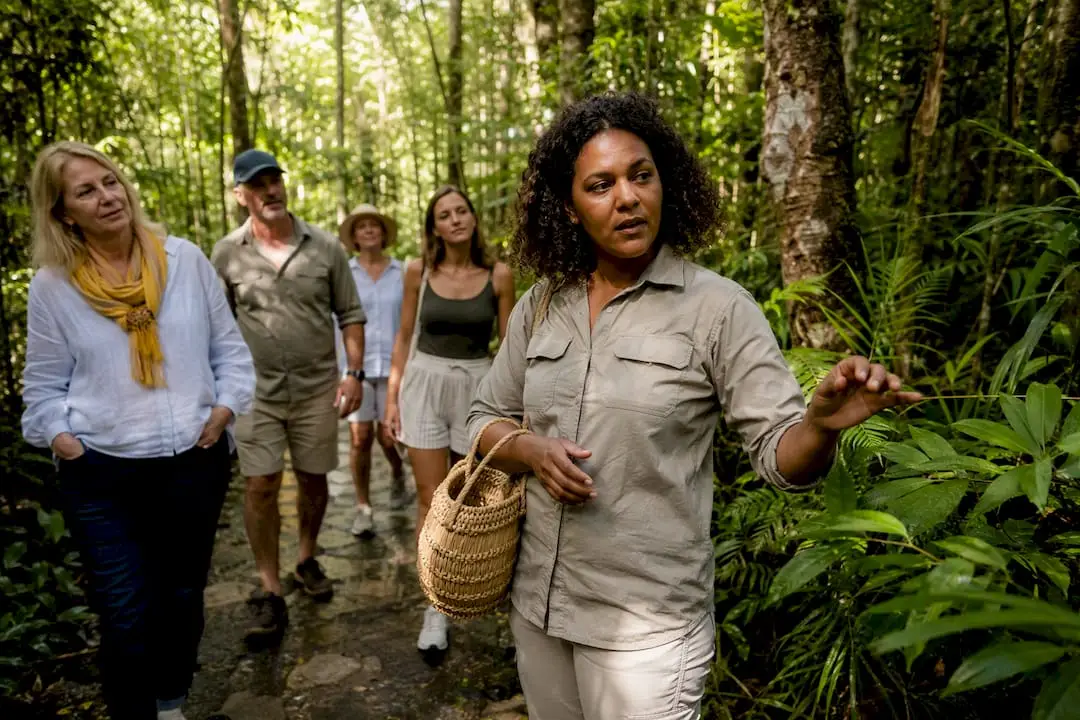
Authentic Aboriginal experiences run right across Australia, from harbourside walks in Sydney to ranger-led tours through Arnhem Land, and Tourism Australia’s own Discover Aboriginal Experiences collective lists more than 200 of them. The real skill isn’t finding one. It’s finding one that’s genuinely Aboriginal-led or Aboriginal-owned, backed by community endorsement or Supply Nation certification. Everything below covers the regions, the formats, the verification checks, and the practicalities that turn a good intention into a good trip.
TL;DR:
- Genuine Aboriginal-led tours are verified mainly through Supply Nation certification, Traditional Owner involvement, and clear community endorsement to ensure authentic experiences.
- Access to remote regions like Arnhem Land and the Kimberley requires permits, community approval, and booking with licensed operators, especially in wet seasons or for certain sites.
- Experiences vary from urban walks and art workshops suitable for most travelers, to multi-day journeys that demand fitness, involve cultural ceremonies, and have prominently higher costs.
- Booking through platforms like Aussie Loop helps ensure tours are community-owned and culturally authentic by pre-screening operators and their connections to Country.
- Costs range from $40 to $80 for city walks to thousands for remote multi-day experiences; higher prices generally mean better benefit sharing with Traditional Owners.
Table of Contents
- Where to find Aboriginal experiences across Australia
- What types of Aboriginal experiences can you actually book?
- How do you verify an experience is genuinely Aboriginal-led?
- What should you check before booking: season, permits, cost and access
- What actually happens on an Aboriginal cultural tour?
- How Aussie Loop curates authentic Aboriginal experiences
- What I learned choosing an Aboriginal-led tour the hard way
- Book your Aboriginal cultural experience through Aussie Loop
- Where to learn more about Aboriginal culture and respectful tourism
- Sources
- FAQ
Where to find Aboriginal experiences across Australia
You don’t need to fly to the outback to have a genuine encounter with Aboriginal culture, though the outback certainly delivers something the cities can’t. Experiences cluster in a handful of regions, each with its own flavour, access rules, and seasonal quirks.
Sydney offers some of the most accessible entry points for first-timers. Burrawa Aboriginal Cultural Climbing Experiences run alongside the Sydney Harbour Bridge climb, weaving Gadigal and Cammeraygal stories into the same vantage point tourists already queue for. Urban walking tours through the Royal Botanic Garden or The Rocks trace bush medicine plants and pre-colonial land use, and most run year-round with no permit hurdles since they operate on public land.
Cairns and the Daintree sit at the other end of the spectrum: dense rainforest, ancient rock art, and Traditional Owner-led walks that explain why the world’s oldest continuously surviving rainforest matters as living cultural landscape, not just scenery. Kuku Yalanji guides lead walks through Mossman Gorge explaining bush tucker and traditional hunting techniques, and the plants used in bush medicine. Some sites require Traditional Owner permission to access, and wet season (roughly November to April) can close tracks or reduce visibility on rock art walks.
Uluru and Alice Springs run the country’s most recognisable Aboriginal-led tourism model. Anangu guides lead base walks around Uluru itself, explaining Tjukurpa (creation law) at the level they’re permitted to share publicly. Parks Australia’s cultural centre sits at the base of the rock as a joint management hub between Traditional Owners and the federal government, and several sites around the base remain restricted from photography or close approach out of respect for gender-specific ceremonial law.
Darwin and the Top End open onto Arnhem Land and the Tiwi Islands, two of the most culturally intact regions in the country. Entry to Arnhem Land requires a permit through the relevant Aboriginal land council, arranged well in advance, and most independent travel is impossible without a licensed tour operator holding existing access agreements. Tiwi Islands day trips from Darwin combine art centre visits with football history and bush walks, typically running April through October when the dry season keeps roads passable.
Melbourne leans into gallery and urban-walk formats. The Koorie Heritage Trust runs walking tours through the CBD tracing Kulin Nation history beneath the modern skyline, and several public art commissions across the city carry interpretive panels written with Traditional Owner input.
Perth and the WA coast combine rock art with coastal Country experiences, and Western Australia’s tourism board lists several Nyoongar-led walks through Kings Park and along the Swan River explaining seasonal food gathering cycles tied to the six Nyoongar seasons rather than the standard four.
Broome and the Kimberley carry a distinct layered history: pearling industry stories intersect with Yawuru culture, and boab country further inland holds some of the continent’s oldest rock art galleries, some accessible only with Traditional Owner guides due to remoteness and cultural sensitivity.
Tasmania has built one of the country’s standout multi-day products in the Wukalina Walk, a four-day guided journey through Palawa Country on the state’s northeast coast, run entirely by Aboriginal guides and booked out well in advance during peak season (roughly October to April).
For travellers building an itinerary around the Cairns and Daintree region specifically, Aussie Loop’s guide to the Daintree and Cape Tribulation area breaks down logistics for that stretch of coast, and the Aboriginal culture tours category page groups curated options by region.
What types of Aboriginal experiences can you actually book?
Most Aboriginal cultural tourism falls into six broad formats, and knowing which one suits your interests, fitness level, and time budget saves a lot of scrolling.
Urban cultural walks run one to three hours through city centres, following songlines or historical sites hidden in plain sight. They suit almost anyone, need no special fitness, and work well as a first taste of Aboriginal culture before committing to something longer. Sydney’s Barangaroo walks and Melbourne’s Koorie Heritage Trust tours both fit this mould.
Art centre visits and workshops put you in a room with working artists, often on Country in remote communities, watching or trying dot painting, weaving, or wood carving techniques passed down through specific family lines. Sessions typically run two to four hours and suit travellers who want a slower, more personal exchange over a checklist of sights.

Bush and outback walking with foraging covers everything from a half-day bush tucker walk to multi-day treks like the Wukalina Walk. These demand reasonable fitness and often run in small groups of six to twelve people, which keeps the experience personal but means booking ahead matters.
Coastal and sea Country cruises take you onto the water with Traditional Owners explaining fish traps, seasonal marine cycles, and stories tied to specific bays or reefs. The Tiwi Islands and parts of the WA coast run these well, and they suit travellers who want cultural content without a long walk attached.
Cultural performances and festivals offer the shortest, most accessible entry point: dance, song, and storytelling performances that run anywhere from twenty minutes to a full evening. Look for festivals like Garma in Arnhem Land or smaller community-run events advertised through regional tourism boards.
Immersive multi-day journeys are the deep end. Multi-day camping trips through Arnhem Land or extended stays on Country in the Kimberley put you inside a community’s daily rhythm rather than observing from the edge. These need advance booking, sometimes months out, and typically cost more given the logistics of remote access and small group sizes.
How do you verify an experience is genuinely Aboriginal-led?
This is where good intentions either hold up or fall apart. A tour advertised with boomerang graphics and a didgeridoo soundtrack tells you nothing about who actually runs it or where the money goes.
Start with ownership. Supply Nation certification requires a business to be at least 51% Indigenous-owned and controlled, and it remains the strongest public verification available. If an operator carries the Supply Nation logo, that’s a solid signal. If they don’t, ask directly.
Here’s a practical sequence for checking before you book:
- Search for Supply Nation registration on the operator’s website or the Supply Nation directory itself.
- Look for Traditional Owner names attached to the tour, not just a generic “Aboriginal-owned” claim with no specifics.
- Check who guides the tour, since a genuinely community-run operation usually has Traditional Owners or their direct descendants leading, not just narrating from a script written by someone else.
- Ask how booking revenue is shared, particularly with tours sold through large aggregator platforms, where a cut can disappear before it reaches the community at all.
- Read for community endorsement, whether that’s a land council partnership, a joint management arrangement with a national park, or a public statement from the relevant Traditional Owner group.
Economic leakage is a real problem in this space. Booking through a generic online travel agent can mean a chunk of what you pay never reaches the community running the tour, since booking direct with Indigenous-owned operators keeps more revenue in community hands than routing the same booking through a third-party marketplace with its own margin baked in.
Pro Tip: Instead of asking “who owns this land,” ask “who are the Traditional Custodians here, and what’s the guide’s connection to Country?” It’s a more respectful framing that fits how Aboriginal relationships to land actually work, rather than forcing it into a Western property lens.
Watch for red flags too. Vague claims like “authentic Aboriginal culture” with no named community, no Traditional Owner attribution, and performers who seem to be reciting a script rather than sharing lived connection to Country are worth a second look. Industry guidance for travel agents increasingly pushes operators to prioritise First Nations-led businesses precisely because this gap between marketing and reality is common enough to matter.
What should you check before booking: season, permits, cost and access
Logistics catch out even well-meaning travellers, particularly once you head beyond the cities.
Seasonal timing shifts by region. The Top End’s dry season, roughly May to October, is when most Arnhem Land and Kakadu-adjacent tours actually run, since wet season flooding cuts off road access entirely in parts of the Northern Territory. Great Barrier Reef visibility windows run best April through November. Tasmania’s Wukalina Walk operates within a defined season and books out early, particularly over summer.
Permits matter more than most first-time visitors expect. Some quick checkpoints:
- Arnhem Land requires a permit through the relevant land council, arranged in advance, and independent access without a licensed operator is rarely straightforward.
- Some sites within national parks, including areas around Uluru, are restricted regardless of permit status due to gender-specific ceremonial law.
- Remote community visits, particularly in the Kimberley and parts of Cape York, may require community council approval that a reputable tour operator will already hold.
Accessibility varies enormously by format. Urban walks suit almost any mobility level. Multi-day bush treks demand real fitness, and remote regions can mean limited mobile coverage and a longer trip to medical care if something goes wrong, so check what communications and first-aid support a remote operator carries before committing.
On cost: authentic, community-led experiences generally sit above the price of a generic coach tour, and there’s a straightforward reason for it. Small group sizes, permission fees paid to Traditional Owners, and direct community benefit sharing all add cost that a mass-market operator skips. A short urban walk might run $40 to $80 per person, while a multi-day immersive journey in a remote region can run into the thousands once permits, transport, and accommodation are factored in. Treat the higher price as the cost of the benefit actually reaching the people sharing their culture with you, not as a premium tacked on for the sake of it.
What actually happens on an Aboriginal cultural tour?
Expectations set the tone for how much you get out of any cultural experience, and Aboriginal-led tours have a rhythm most first-timers don’t anticipate.
A typical tour blends several elements rather than sticking to one format. You’ll usually encounter:
- Storytelling and songlines, where a guide explains how specific stories map to physical landmarks along the route you’re walking.
- Bush tucker tasting, often native fruits, leaves, or seeds explained alongside their traditional preparation and medicinal use.
- Art demonstrations, from dot painting technique to the meaning behind specific symbols and colour choices.
- Rock art interpretation, delivered carefully given how much of this content sits under cultural restriction.
- Welcome to Country or smoking ceremonies, marking entry onto a specific group’s traditional land with a formal acknowledgement.
- Hands-on workshops, including boomerang throwing, weaving, or didgeridoo basics depending on the region and group.
Etiquette matters as much as the content itself. Always ask before photographing a person, a ceremony, or a specific site, since some locations carry restrictions that aren’t obvious to an outsider. Follow your guide’s instructions without pushing back if they say a particular story or area is off-limits, since cultural protocols differ by region and community, including gendered restrictions and what’s known as secret business, information that simply isn’t shared outside specific initiated groups.
Pro Tip: If you’re unsure whether a question is appropriate, ask about the guide’s own connection to the story or place rather than probing for details that might sit under cultural restriction. Curiosity framed around personal connection almost always lands better than curiosity framed around wanting the “full story.”
Dress modestly, particularly at sacred sites, allow pauses in conversation rather than filling every silence, and resist the urge to compare what you’re hearing to other cultures or religions you already know. Let the story stand on its own terms.
How Aussie Loop curates authentic Aboriginal experiences
Aussie Loop exists because the gap between a marketed “cultural experience” and a genuinely community-led one is wide, and most travellers have no easy way to tell the difference from a search results page. The platform’s approach emphasizes local selection over volume and a focus on operators with real connection to the place and people represented, rather than those simply claiming Aboriginal ownership in marketing copy.
This contrasts with cookie-cutter tour listings common on many travel booking sites, where Aboriginal cultural tags may be applied without verifiable community connections. Curators prioritize quality over quantity across categories, applying scrutiny to Aboriginal cultural experiences similar to that given to other tours, focusing on operators’ real connections to place and people and whether bookings support the community.
The editor responsible for cultural and regional travel coverage has extensive experience observing the evolution of Australian tourism operators’ representation of First Nations culture, noting increased emphasis on Supply Nation certification and community endorsement over time.
If you’re planning a trip through the Daintree region specifically, the Daintree Dreaming Aboriginal Cultural Adventure listing gives a concrete example of what a properly vetted rainforest cultural tour looks like in practice, from guide background through to what’s covered on the walk itself.

What I learned choosing an Aboriginal-led tour the hard way
A few years back I booked what looked like a solid rock art tour through a generic aggregator site, only to realise on the day that the guide had no personal connection to the community whose stories he was retelling. He was pleasant enough, but the whole thing felt secondhand, like listening to a tour guide read a museum plaque rather than someone sharing their own family’s history.
The next trip, I did the checks properly. I looked for the operator’s Supply Nation status, found a direct statement about Traditional Owner involvement on their site, and asked the booking team who actually led the tours before paying anything. The difference was immediate. The guide spoke about specific relatives who’d taught him the stories he was sharing, paused at sites that clearly meant something to him personally, and answered questions about his own connection to Country rather than reciting generalities.
That gap between the two experiences is the entire argument for doing the verification work upfront. It costs you five extra minutes of checking before you book, and it changes what you actually walk away with.
— Dhruv Sharma
Book your Aboriginal cultural experience through Aussie Loop
Aussie Loop is the practical shortcut for travellers who don’t want to spend an evening cross-checking Supply Nation registrations and Traditional Owner statements themselves. The platform’s curators have already done that filtering, so every listing under Aboriginal culture tours has been selected with community ownership and cultural authenticity as the starting bar, not an afterthought.

Two quick tips when you’re browsing: check the tour description for named Traditional Owner groups or Supply Nation status before anything else, and pay attention to tour length and group size, since a smaller group generally signals a more personal, less rushed experience. If you’re heading north toward Cairns, pair a cultural walk with a broader look at the region through Aussie Loop’s main landing page, where you can filter by destination and activity type across Queensland, Tasmania, and beyond. Book ahead where you can. The best community-led experiences run small groups on purpose, and they fill up.
Where to learn more about Aboriginal culture and respectful tourism
A handful of primary sources are worth bookmarking beyond any single tour booking. Tourism Australia’s Discover Aboriginal Experiences page is the national collective listing verified Aboriginal-led operators. The Tourism NT industry toolkit sets out cultural protocols in detail. AIATSIS offers deeper background on Country, language groups, and Aboriginal history generally. Supply Nation lets you verify Indigenous business ownership directly, and Parks Australia’s Uluru cultural centre explains joint management arrangements at one of the country’s most visited sacred sites.
Sources
- Discover Aboriginal Experiences – Tourism Australia
- Benefits of Indigenous business — Supply Nation
- Indigenous Australians — AIATSIS
FAQ
What is the three-point test for Aboriginality?
Australian law generally recognises Aboriginal identity through three factors together: Aboriginal descent, self-identification as Aboriginal, and communal recognition by an Aboriginal community. It’s a legal and social framework, not something a traveller needs to assess when booking a tour, since operator verification through Supply Nation or community endorsement serves that purpose instead.
What is the most famous Aboriginal story?
There’s no single “most famous” story, since Dreaming stories are specific to particular language groups, families, and Country, and many carry restrictions on who can share them and with whom. Guides at sites like Uluru share the parts of Tjukurpa that are permitted for public telling, while other stories remain restricted to community members.
What are some popular Aboriginal cultural experiences in Australia?
Popular formats include Sydney’s Burrawa harbourside climbs, Uluru base walks led by Anangu guides, Daintree rainforest walks with Kuku Yalanji Traditional Owners, Tasmania’s multi-day Wukalina Walk, and art centre visits across the Kimberley and Arnhem Land. Aussie Loop’s Aboriginal culture tours category groups several of these by region.
What issues do Aboriginal people experience in tourism?
Economic leakage is a persistent issue, where bookings routed through large aggregator platforms mean less revenue reaching the community actually running the experience than booking direct would. Misrepresentation is another, where operators with no genuine community connection market generic “Aboriginal” experiences, which is why checking for Supply Nation certification and named Traditional Owner involvement before booking matters.
How much do authentic Aboriginal tours typically cost?
Short urban cultural walks generally run in the $40 to $80 per person range, while multi-day immersive journeys in remote regions can run into the thousands once permits, transport, and small-group logistics are included. The higher cost of remote, community-led experiences typically reflects direct benefit sharing with Traditional Owners rather than added margin.


